

Personalized Dry Eye Treatment
Beyond Artificial Tears.
Care Designed Around Your Eyes.
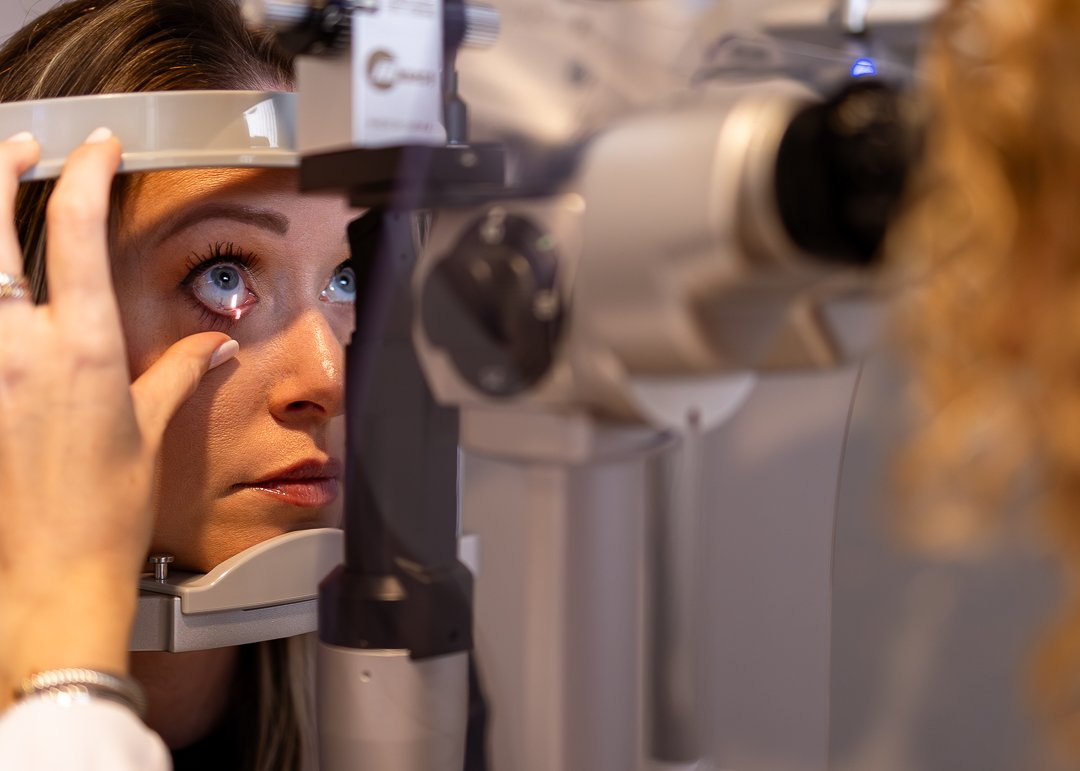
Effective dry eye treatment starts with finding the root cause. Because every patient experiences dry eye differently, we build personalized plans that may include home care, prescription therapy, professional eyelid care, lifestyle guidance, and targeted in-office treatments based on what is causing your symptoms—not just artificial tears.
A Personalized Approach to Treatment
Your treatment plan may include several types of care depending on your diagnosis, ocular-surface health, symptoms, and long-term goals. Not every patient needs every treatment, and recommendations may change as we monitor your progress.
Professional Eyelid Care
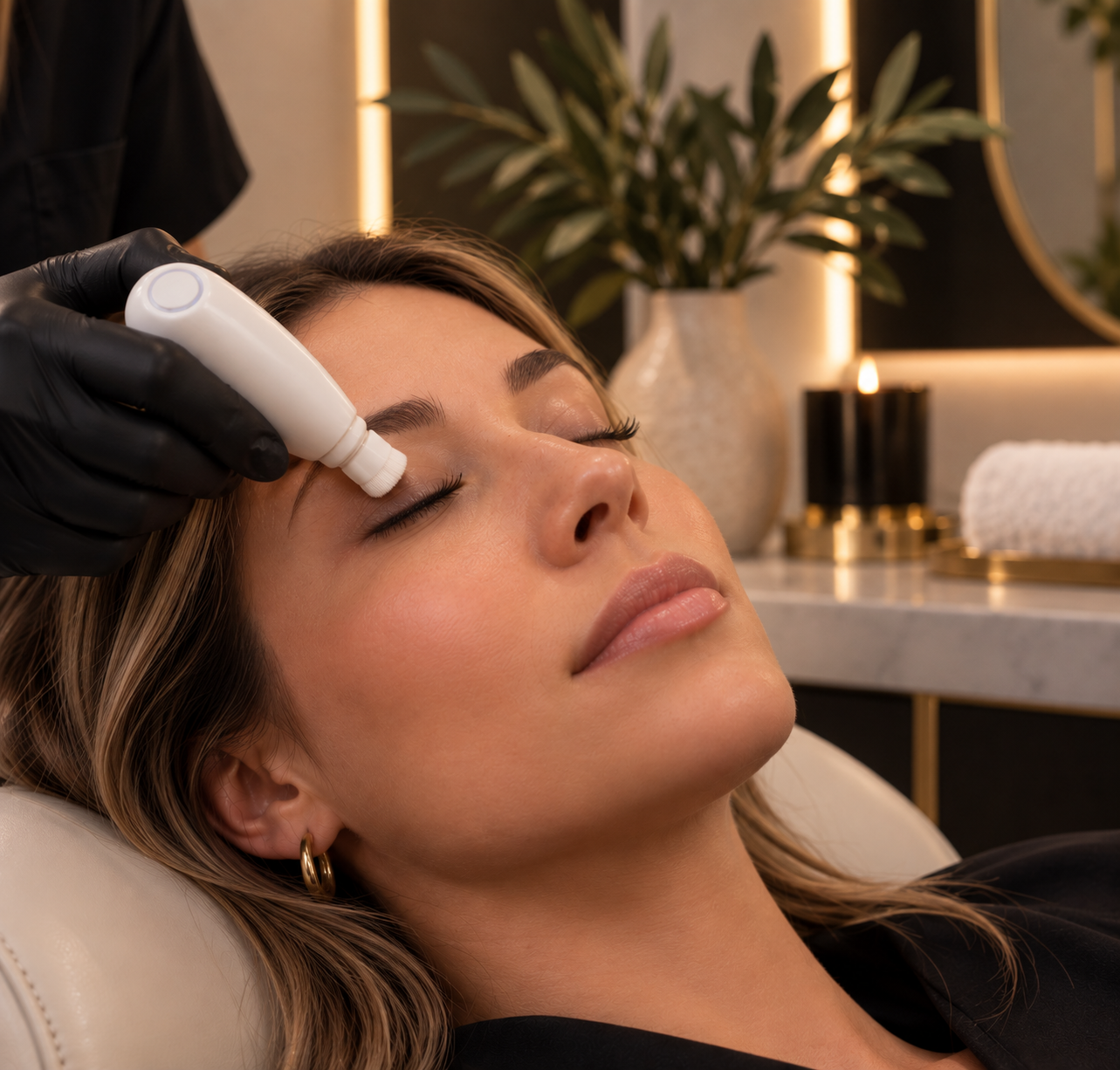
Healthy tears begin with healthy eyelids. Targeted in-office care may help remove debris, biofilm, and inflammatory buildup from the eyelid margins and lash line. When appropriate, professional NuLids® micro-exfoliation can support a cleaner, healthier eyelid environment.

Prescription Therapies
Prescription therapy may be recommended when inflammation, low tear production, Demodex, impaired corneal healing, or another underlying condition affects the ocular surface. Medication choices are guided by your exam findings, medical history, and treatment goals.

Carefully Selected Home Care
Not all artificial tears, heat masks, or eyelid cleansers work the same way. We recommend home-care products based on your type of dry eye, tear-film quality, eyelid health, and sensitivity.

Thermal and Gland-Directed Care
When meibomian gland dysfunction contributes to evaporative dry eye, targeted heat and gland-supportive care may improve the oils that protect the tear film. Recommendations are based on gland structure, function, and the degree of obstruction found during your evaluation.
Targeted Ocular Rosacea Management
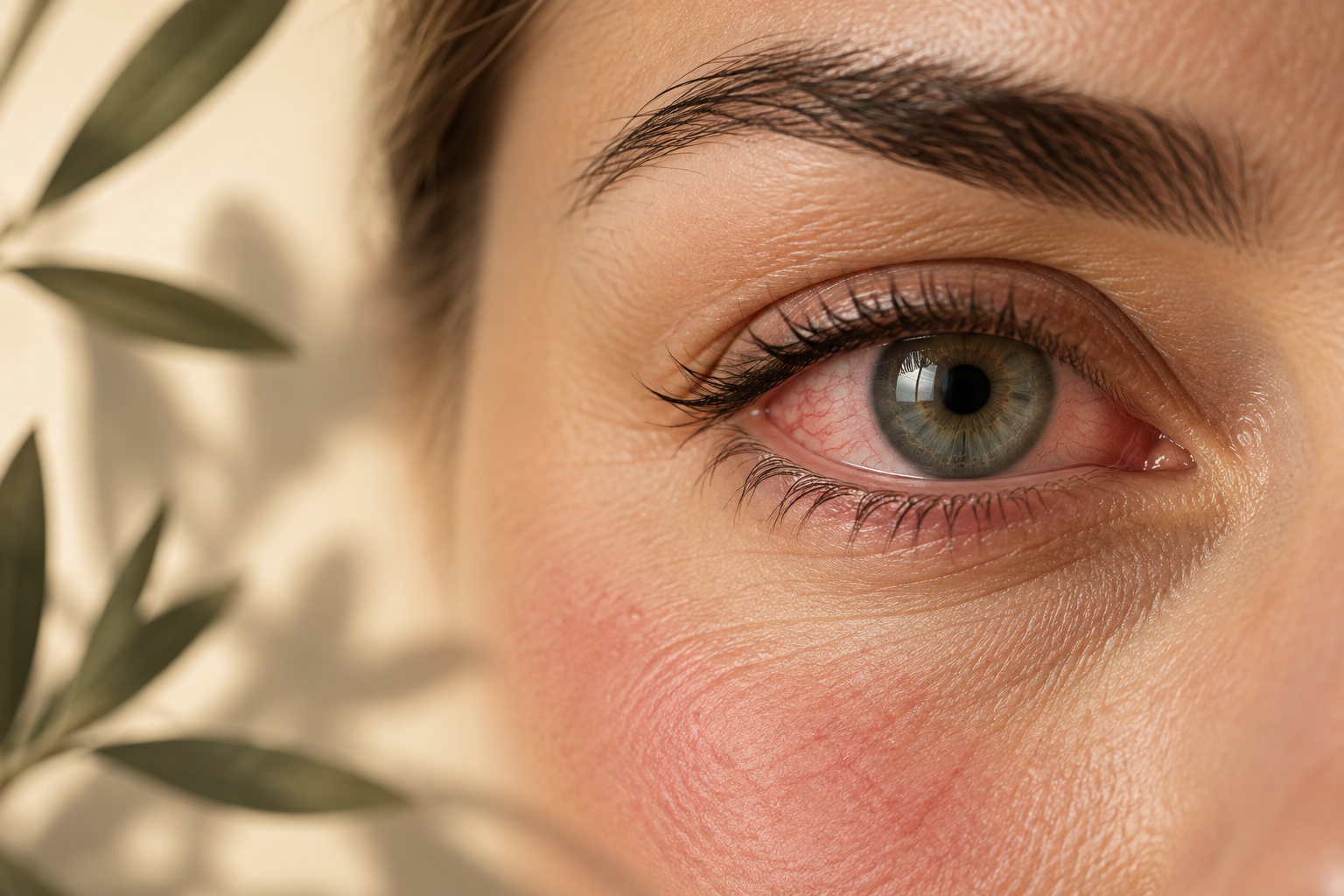
Ocular rosacea can affect the eyelids, meibomian glands, and ocular surface—even when facial symptoms are subtle. Management is personalized to reduce inflammation, support healthier gland function, and improve long-term comfort, with dermatology collaboration when appropriate.
Demodex and
Blepharitis Care
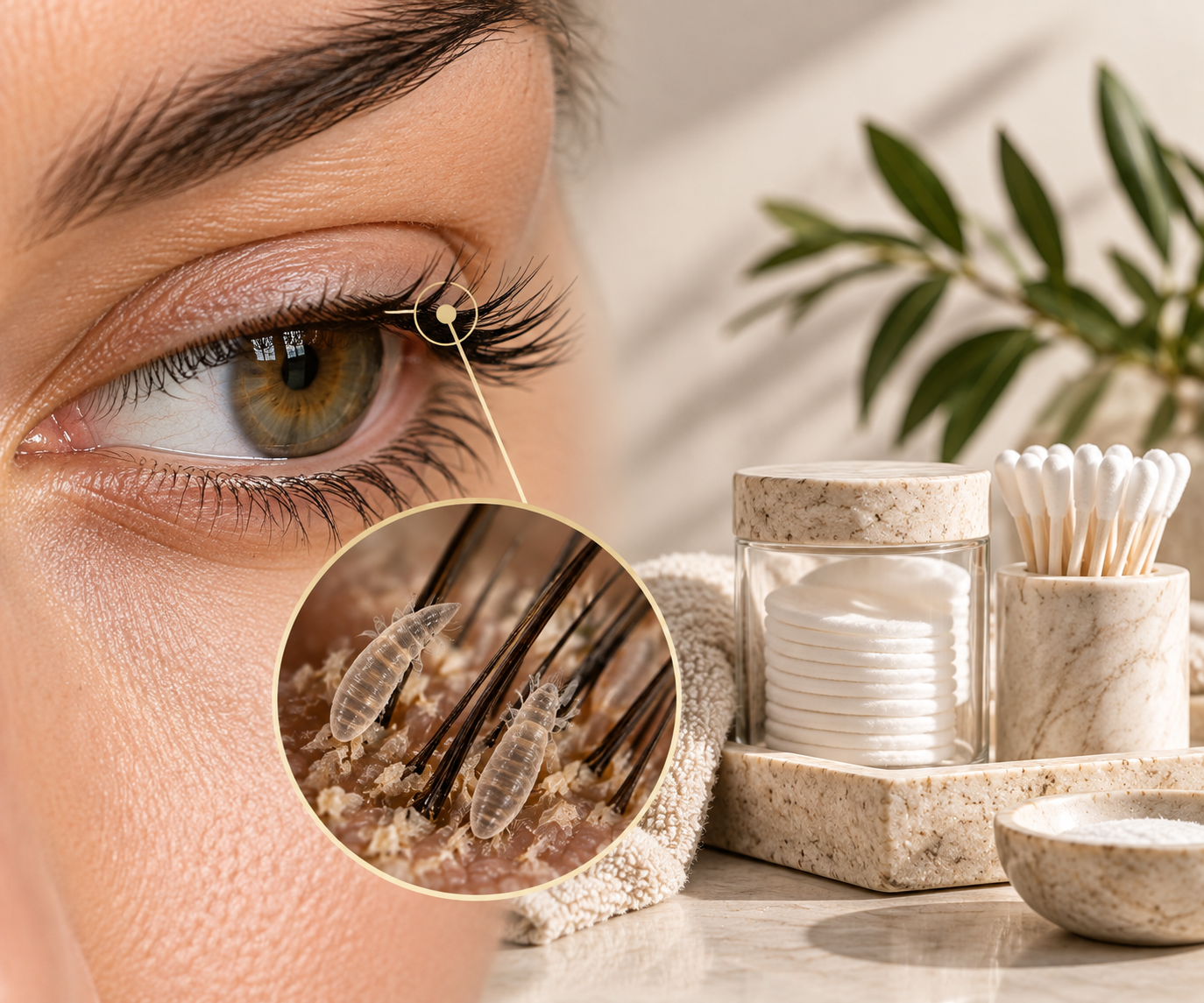
Blepharitis and Demodex can cause similar symptoms but may require different care. We begin with a close evaluation of the eyelids and eyelashes to identify the cause and recommend targeted treatment instead of relying on generalized eyelid hygiene alone.

Your Daily Environment
Also Matters
Dry eye care goes beyond eye drops. Screen use, blink patterns, airflow, contact lenses, cosmetics, hydration, nutrition, sleep, medications, hormones, and systemic health can all affect tear-film stability and eye comfort.
When these factors contribute to symptoms, we offer personalized guidance to reduce everyday triggers and support your overall treatment plan. Recommendations are based on your health history, routine, and type of dry eye.
Ongoing Monitoring
and Ocular Wellness
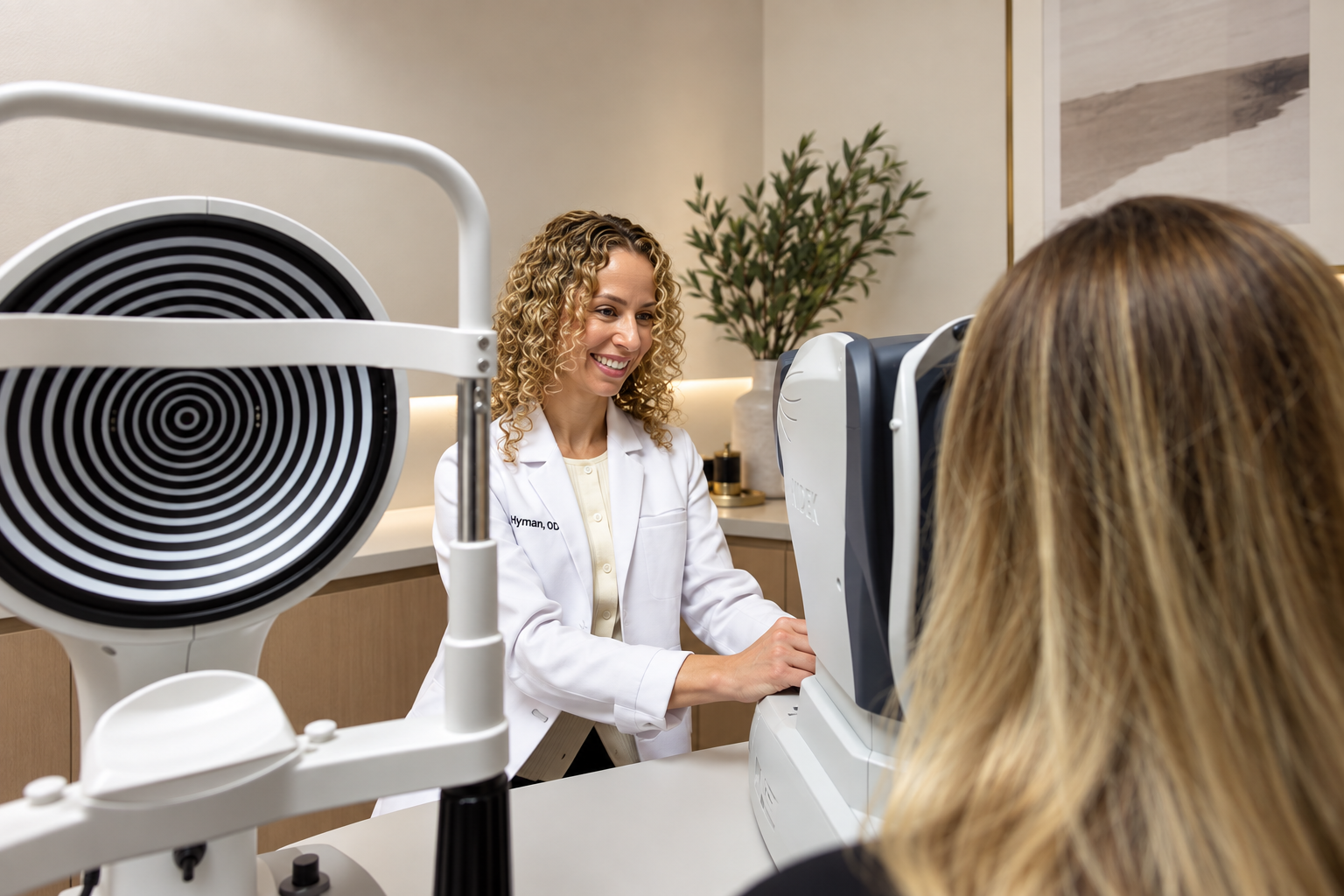
Dry eye is often a chronic condition that changes over time. Follow-up imaging and ocular-surface monitoring allow us to evaluate progress, adjust recommendations and build a sustainable plan for long-term visual comfort and ocular wellness.