
Advanced Medical Eye Care
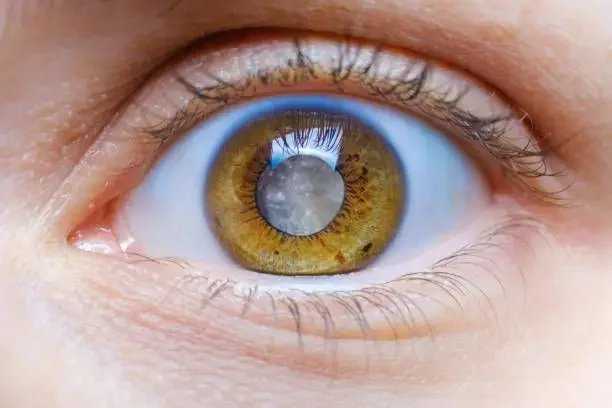
Your vision should support the life you love. Our goal is to help you maintain clear, comfortable vision while guiding you through every stage of cataract development with confidence. Every comprehensive eye examination at The Eye Collective includes screening for cataracts with advanced evaluation and ongoing management as your vision and lifestyle needs change.
A cataract is the gradual clouding of your eye's natural lens. Most cataracts develop as a normal part of aging, though they can also occur earlier due to diabetes, certain medications such as steroids, eye injuries, prolonged UV exposure, smoking, or previous eye surgery. Cataracts typically develop slowly causing blurred vision, increased glare, faded colors, difficulty driving at night, and frequent changes in glasses prescriptions.
While cataracts are very common, not every cataract requires surgery right away. During the early stages, many patients continue to see well with updated prescriptions and routine monitoring. Our role is to carefully track the progression of your cataracts, evaluate how they are affecting your daily activities, and help you determine when treatment becomes appropriate.
For patients experiencing visually significant cataracts, we utilize advanced diagnostic technology to evaluate both the cataract and the overall health of your eyes, including:
Comprehensive dilated eye examinations
Advanced retinal imaging (OCT) when indicated
Glare and functional vision assessments
Ocular surface evaluation and treatment to optimize vision before and after surgery
Careful monitoring for coexisting conditions such as glaucoma, macular degeneration, or diabetic eye disease
When surgery becomes the best option, we coordinate your care with trusted cataract surgeons and help you understand your lens implant options available based on your individual visual goals and lifestyle. Following cataract surgery, we continue your long-term eye care with postoperative monitoring, prescription updates when needed, and ongoing preventive care.
Our goal is to help you see your best at every stage of life—providing honest guidance, advanced diagnostics, and personalized care so you can make informed decisions about your vision with confidence.
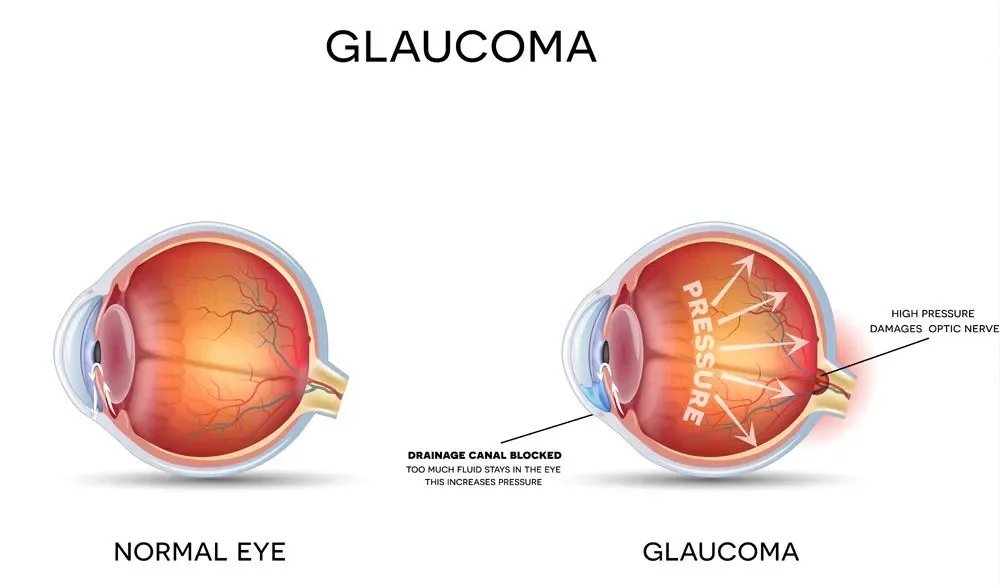
Early detection is the best defense against permanent vision loss. While every comprehensive eye examination at The Eye Collective includes screening for glaucoma, patients at higher risk or those diagnosed with glaucoma benefit from advanced diagnostic testing and personalized long-term management.
Glaucoma is a progressive eye disease that gradually damages the optic nerve—the critical connection between your eyes and your brain. Often called the "silent thief of sight," glaucoma typically develops without pain or noticeable symptoms until irreversible vision loss has already occurred. Because vision lost to glaucoma cannot be restored, early diagnosis and proactive treatment are essential to preserving lifelong vision.
Although Primary Open-Angle Glaucoma is the most common form, glaucoma can develop in several ways. Some patients inherit a genetic predisposition, while others develop glaucoma following an eye injury (traumatic glaucoma), retinal vascular disease such as a Central Retinal Vein Occlusion (CRVO), or from anatomically narrow drainage angles that place the eye at risk for sudden increases in eye pressure. A family history of glaucoma, elevated eye pressure, diabetes, steroid use, African American or Hispanic ancestry, and increasing age can all increase your risk.
For patients requiring additional evaluation or ongoing care, we utilize advanced technology to monitor even the smallest changes over time, including:
Optic nerve imaging (OCT)
Visual field testing
Corneal thickness measurements (Pachymetry)
Gonioscopy to evaluate the eye's drainage angle
Intraocular pressure monitoring
Optic nerve photography
These advanced diagnostics allow us to establish a precise baseline, detect progression early, and make timely treatment decisions before vision is affected.
Treatment is individualized based on the type and severity of glaucoma and may include prescription eye drops, laser procedures performed by a trusted ophthalmic specialist, or surgical intervention when appropriate. We work closely with glaucoma specialists when advanced treatment is needed while continuing to monitor your long-term eye health and vision.
Our goal is simple: to detect glaucoma as early as possible, slow its progression, and help you preserve healthy vision for a lifetime.
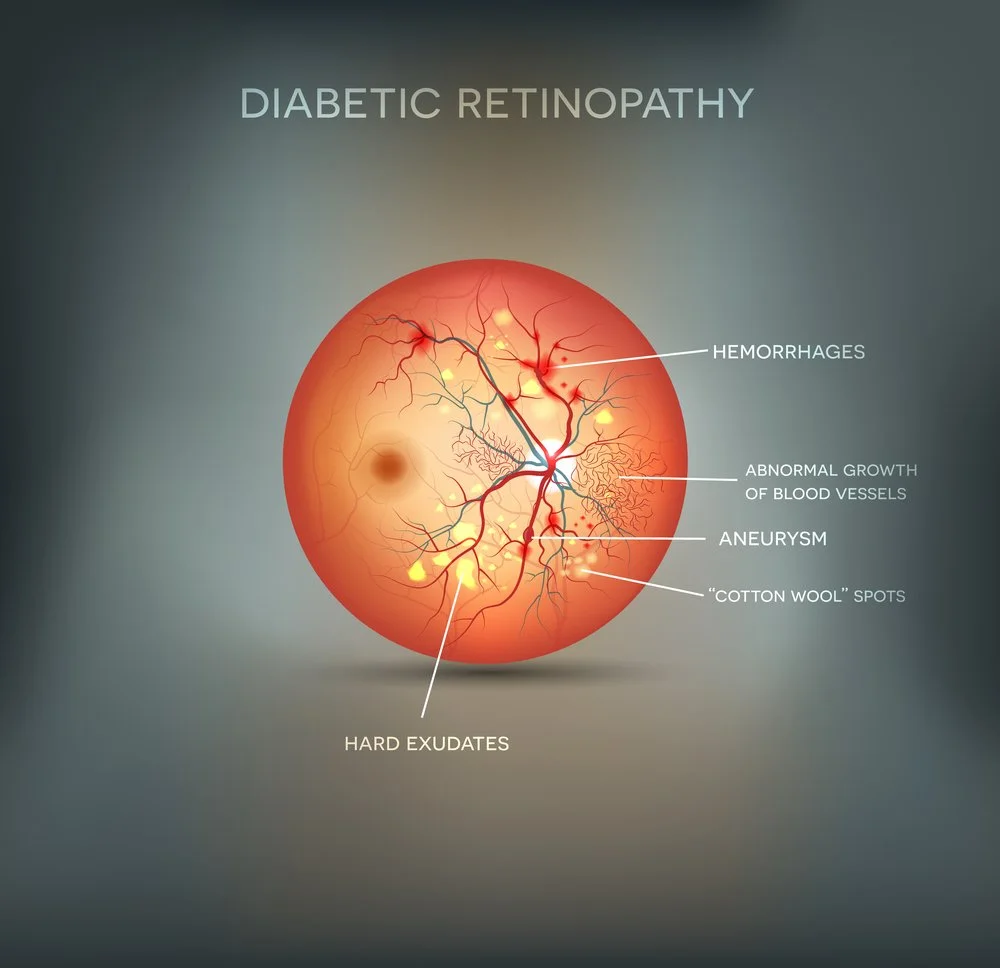
Protecting your vision starts with protecting your overall health. Every comprehensive eye examination at The Eye Collective includes screening for diabetic eye disease with advanced imaging and personalized monitoring designed to detect changes early—often before your vision is affected.
Diabetes can impact the small blood vessels throughout the body, including those in the retina. Over time, elevated blood sugar levels can damage these delicate vessels leading to diabetic retinopathy, diabetic macular edema, and other vision-threatening complications. In its earliest stages, diabetic eye disease often has no symptoms, making routine eye examinations one of the most important parts of managing your diabetes.
Anyone living with Type 1 or Type 2 diabetes is at risk for diabetic eye disease. The risk increases with the duration of diabetes, poor blood sugar control, high blood pressure, elevated cholesterol, kidney disease, and sometimes pregnancy. Even if your vision seems perfectly normal, vision-threatening changes can be occurring inside the eye long before you notice them.
Every diabetic eye examination includes a careful evaluation of your retina. For patients with diabetes or signs of diabetic eye disease, we utilize advanced diagnostic technology to monitor your retinal health over time, including:
High-resolution retinal imaging (OCT)
Digital retinal photography
Dilated retinal examinations
Careful evaluation of the retinal blood vessels and macula
Ongoing comparison of retinal images to detect even the most subtle signs of progression
The eyes provide a unique window into your overall vascular health. Because we can directly examine the blood vessels of the retina, eye examinations often reveal changes related to diabetes before other complications become apparent. Our findings not only help protect your vision but can also provide valuable information to share with your primary care physician or endocrinologist supporting a collaborative approach to your overall health.
If diabetic eye disease is detected, we create a personalized management plan based on the severity of your condition. This may include more frequent monitoring, communication with your medical team to optimize systemic health, referral to a retinal specialist when advanced treatment is needed, and ongoing surveillance to preserve your vision for years to come.
Our goal is simple: to detect diabetic eye disease early, preserve your vision, and partner with both you and your healthcare team to protect your long-term eye health and overall well-being.
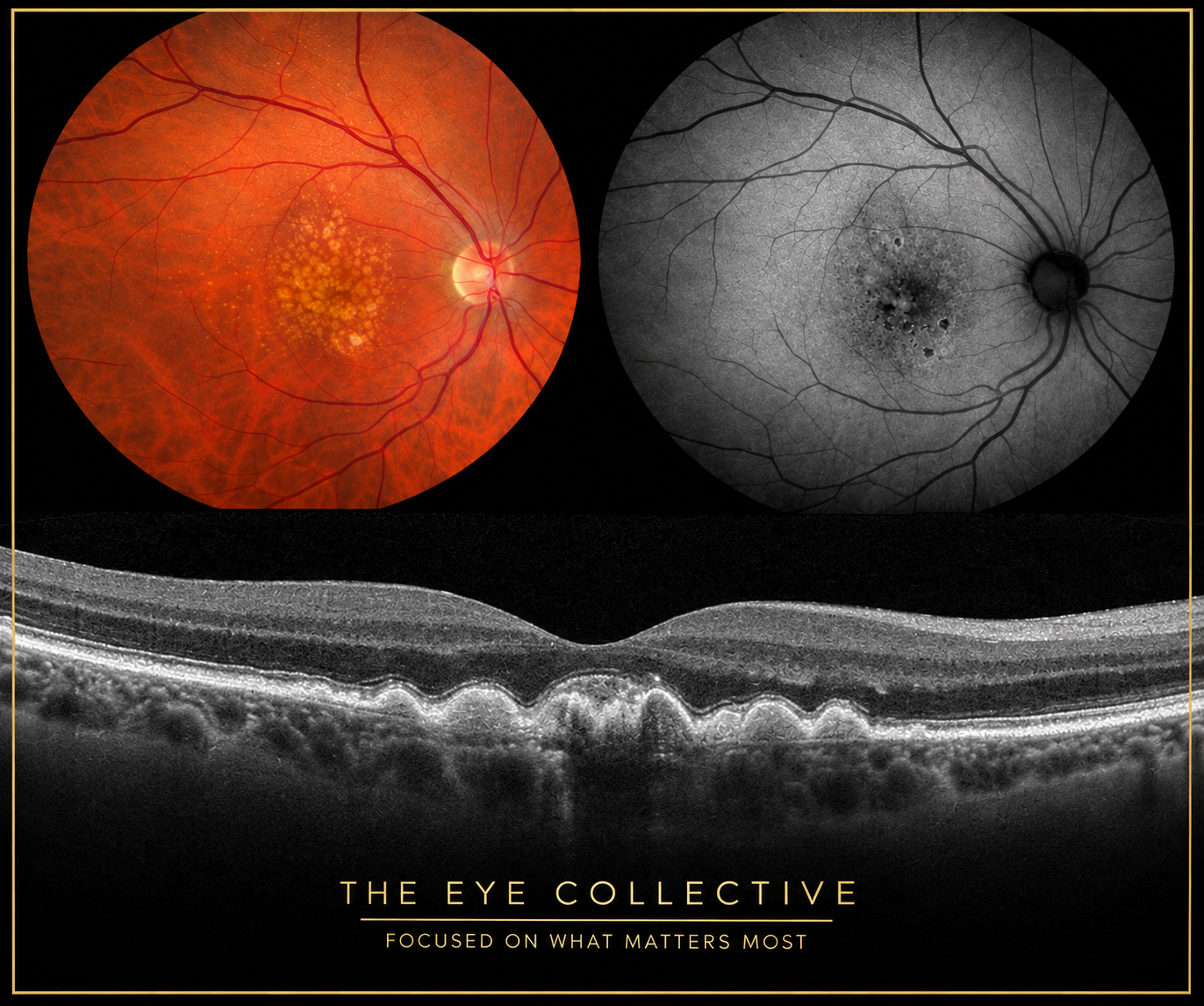
Protecting your central vision begins with early detection. Every comprehensive eye exam at The Eye Collective includes screening for age-related macular degeneration (AMD), with advanced imaging and personalized management designed to identify changes as early as possible.
Age-related macular degeneration is a progressive disease that affects the macula—the central portion of the retina responsible for sharp vision used for reading, driving, recognizing faces, and seeing fine detail. While AMD often develops gradually, many patients experience no noticeable symptoms in its earliest stages. As the disease progresses, central vision can become blurred, distorted, or develop permanent blind spots.
Age is the greatest risk factor for AMD, but genetics, smoking, cardiovascular disease, high blood pressure, excessive UV exposure, and family history can all increase your risk. Because the earliest stages often have no symptoms, routine eye examinations play a critical role in detecting changes before vision is affected.
Every comprehensive eye exam includes a careful evaluation of your macula. For patients at increased risk or showing early signs of disease, we utilize advanced diagnostic technology to monitor even the smallest changes over time, including:
High-resolution retinal imaging (OCT)
Digital retinal photography
Dilated retinal examinations
Amsler grid education for home monitoring
Personalized risk assessment and nutritional counseling
One of the earliest signs of AMD is the development of drusen—small deposits that form beneath the retina. Researchers have discovered that these deposits contain proteins, including amyloid-beta, that are also found in the brain plaques associated with Alzheimer's disease. While having AMD does not mean a person will develop Alzheimer's disease, and the relationship is still being actively studied, these shared biological features highlight the importance of comprehensive eye examinations and may contribute to future advances in understanding both conditions.
If macular degeneration is detected, our goal is to slow progression and preserve your vision for as long as possible. Treatment recommendations may include lifestyle modifications, nutritional supplementation based on the AREDS2 guidelines when appropriate, home vision monitoring, referral for retinal treatment if wet AMD develops, and ongoing surveillance using advanced imaging technology.
Our goal is simple: to detect macular degeneration early, preserve your central vision, and partner with you through every stage of care so you can continue enjoying the activities that matter most.
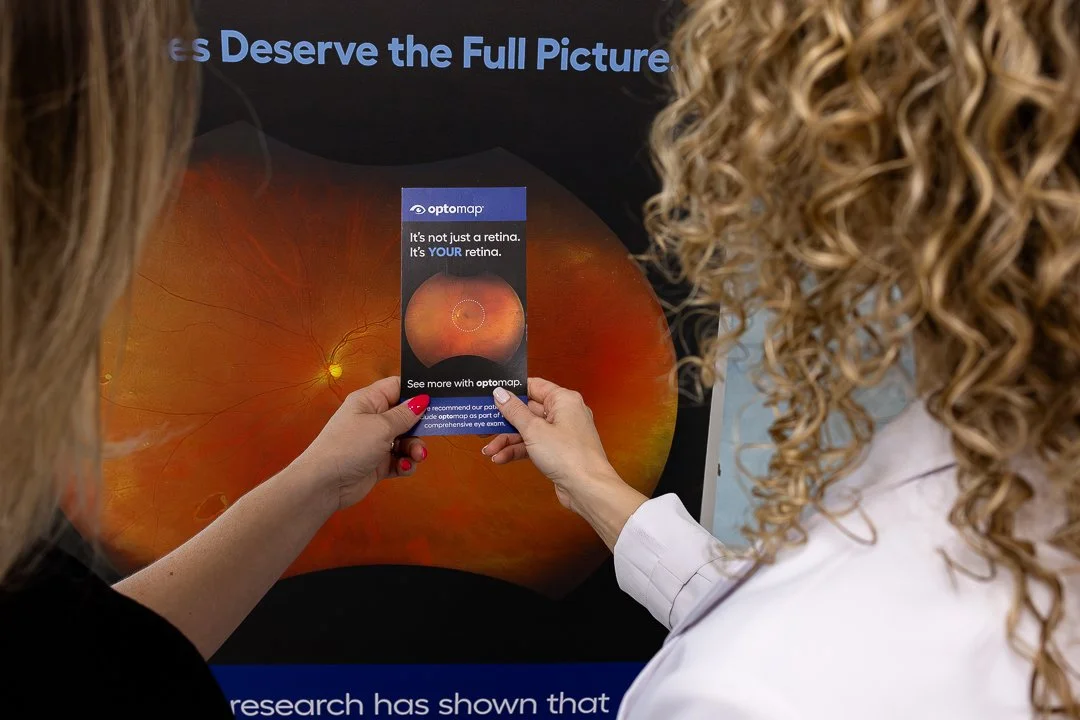
The health of your retina is essential to the quality of your vision. Advanced screening allows us to detect retinal disease early and protect your sight for the future. Every comprehensive eye examination at The Eye Collective includes a thorough evaluation of your retina with advanced imaging and personalized monitoring designed to detect retinal conditions before they threaten your vision.
The retina is the light-sensitive tissue lining the back of the eye that converts light into signals your brain interprets as vision. Because many retinal diseases develop silently, significant damage can occur before symptoms are noticed. Early diagnosis is often the key to preserving vision and preventing permanent vision loss.
While age-related macular degeneration and diabetic eye disease are among the most common retinal conditions, we also evaluate for a wide range of retinal disorders, including:
Retinal tears and detachments
Retinal holes and lattice degeneration
Epiretinal membranes (macular pucker)
Macular holes
Central Serous Chorioretinopathy (CSCR)
Retinal vein and artery occlusions
Hypertensive retinopathy
Inherited and other retinal disorders
Patients with high levels of nearsightedness, diabetes, high blood pressure, a family history of retinal disease, previous eye trauma, or increasing age may have a greater risk of developing retinal conditions. New symptoms such as flashes of light, a sudden increase in floaters, distortion, or a curtain or shadow over your vision should always be evaluated promptly.
Every comprehensive eye examination includes a detailed assessment of your retina. When additional evaluation or ongoing monitoring is needed, we utilize advanced technology to detect even subtle retinal changes, including:
High-resolution retinal imaging (OCT)
Digital retinal photography
Comprehensive dilated retinal examinations
Peripheral retinal evaluation
Long-term comparison of retinal images to monitor stability or progression
If a retinal condition is identified, we develop an individualized management plan based on your diagnosis and visual needs. Some conditions can be safely monitored in our office, while others require prompt treatment by a retinal specialist. When advanced care is needed, we coordinate closely with trusted retinal surgeons to ensure seamless communication and continuity of care while remaining your partner in long-term eye health.
Our goal is simple: to detect retinal disease as early as possible, preserve your vision, and provide thoughtful, personalized care that supports the health of your eyes for years to come.
When your eyes need immediate attention, we're here to help. Many eye emergencies develop suddenly and require prompt evaluation to relieve discomfort, protect your vision, and prevent more serious complications.
Eye problems such as redness, pain, sudden vision changes, new onset flashes of light or floaters, light sensitivity, discharge, or an eye injury should never be ignored. While some conditions are minor, others can threaten your vision if left untreated. Receiving the right diagnosis as early as possible allows treatment to begin quickly and can make a significant difference in both comfort and long-term outcomes.
We evaluate and treat a wide range of urgent eye conditions, including:
Red, irritated, or painful eyes
Eye infections (pink eye/conjunctivitis)
Corneal abrasions and foreign bodies
Sudden blurred or decreased vision
Flashes of light and new floaters
Eye injuries and trauma
Styes and eyelid infections
Allergic eye conditions
Contact lens-related complications
During your visit, we perform a comprehensive evaluation to identify the underlying cause of your symptoms. Depending on your condition, this may include:
Comprehensive ocular health examination
Slit lamp biomicroscopy
Fluorescein staining to evaluate the cornea
Intraocular pressure testing
Dilated retinal examination when indicated
Advanced retinal imaging (OCT) if needed
Most urgent eye conditions can be diagnosed and treated in our office with prescription medications, minor in-office procedures, or close follow-up care. If your condition requires advanced medical or surgical treatment, we coordinate prompt referral to trusted ophthalmic specialists while remaining actively involved in your ongoing care.
Our goal is simple: to provide timely, compassionate care that relieves your symptoms, protects your vision, and gives you confidence that your eye health is in experienced hands.