
 Image 1 of 1
Early detection is the best defense against permanent vision loss. While every comprehensive eye examination at The Eye Collective includes screening for glaucoma, patients at higher risk or those diagnosed with glaucoma benefit from advanced diagnostic testing and personalized long-term management.
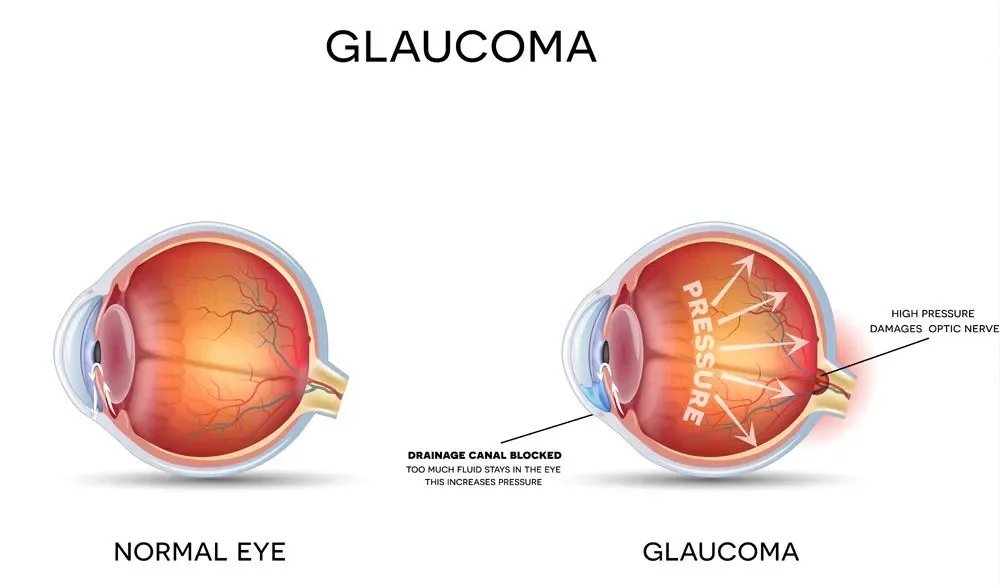
Glaucoma is a progressive eye disease that gradually damages the optic nerve—the critical connection between your eyes and your brain. Often called the "silent thief of sight," glaucoma typically develops without pain or noticeable symptoms until irreversible vision loss has already occurred. Because vision lost to glaucoma cannot be restored, early diagnosis and proactive treatment are essential to preserving lifelong vision.
Although Primary Open-Angle Glaucoma is the most common form, glaucoma can develop in several ways. Some patients inherit a genetic predisposition, while others develop glaucoma following an eye injury (traumatic glaucoma), retinal vascular disease such as a Central Retinal Vein Occlusion (CRVO), or from anatomically narrow drainage angles that place the eye at risk for sudden increases in eye pressure. A family history of glaucoma, elevated eye pressure, diabetes, steroid use, African American or Hispanic ancestry, and increasing age can all increase your risk.
For patients requiring additional evaluation or ongoing care, we utilize advanced technology to monitor even the smallest changes over time, including:
Optic nerve imaging (OCT)
Visual field testing
Corneal thickness measurements (Pachymetry)
Gonioscopy to evaluate the eye's drainage angle
Intraocular pressure monitoring
Optic nerve photography
These advanced diagnostics allow us to establish a precise baseline, detect progression early, and make timely treatment decisions before vision is affected.
Treatment is individualized based on the type and severity of glaucoma and may include prescription eye drops, laser procedures performed by a trusted ophthalmic specialist, or surgical intervention when appropriate. We work closely with glaucoma specialists when advanced treatment is needed while continuing to monitor your long-term eye health and vision.
Our goal is simple: to detect glaucoma as early as possible, slow its progression, and help you preserve healthy vision for a lifetime.
Early detection is the best defense against permanent vision loss. While every comprehensive eye examination at The Eye Collective includes screening for glaucoma, patients at higher risk or those diagnosed with glaucoma benefit from advanced diagnostic testing and personalized long-term management.
Glaucoma is a progressive eye disease that gradually damages the optic nerve—the critical connection between your eyes and your brain. Often called the "silent thief of sight," glaucoma typically develops without pain or noticeable symptoms until irreversible vision loss has already occurred. Because vision lost to glaucoma cannot be restored, early diagnosis and proactive treatment are essential to preserving lifelong vision.
Although Primary Open-Angle Glaucoma is the most common form, glaucoma can develop in several ways. Some patients inherit a genetic predisposition, while others develop glaucoma following an eye injury (traumatic glaucoma), retinal vascular disease such as a Central Retinal Vein Occlusion (CRVO), or from anatomically narrow drainage angles that place the eye at risk for sudden increases in eye pressure. A family history of glaucoma, elevated eye pressure, diabetes, steroid use, African American or Hispanic ancestry, and increasing age can all increase your risk.
For patients requiring additional evaluation or ongoing care, we utilize advanced technology to monitor even the smallest changes over time, including:
Optic nerve imaging (OCT)
Visual field testing
Corneal thickness measurements (Pachymetry)
Gonioscopy to evaluate the eye's drainage angle
Intraocular pressure monitoring
Optic nerve photography
These advanced diagnostics allow us to establish a precise baseline, detect progression early, and make timely treatment decisions before vision is affected.
Treatment is individualized based on the type and severity of glaucoma and may include prescription eye drops, laser procedures performed by a trusted ophthalmic specialist, or surgical intervention when appropriate. We work closely with glaucoma specialists when advanced treatment is needed while continuing to monitor your long-term eye health and vision.
Our goal is simple: to detect glaucoma as early as possible, slow its progression, and help you preserve healthy vision for a lifetime.